Egg Protein for Strength: Clean Fuel, Smooth Mix, Real Results
01.02.2025
7 mins
Introduction
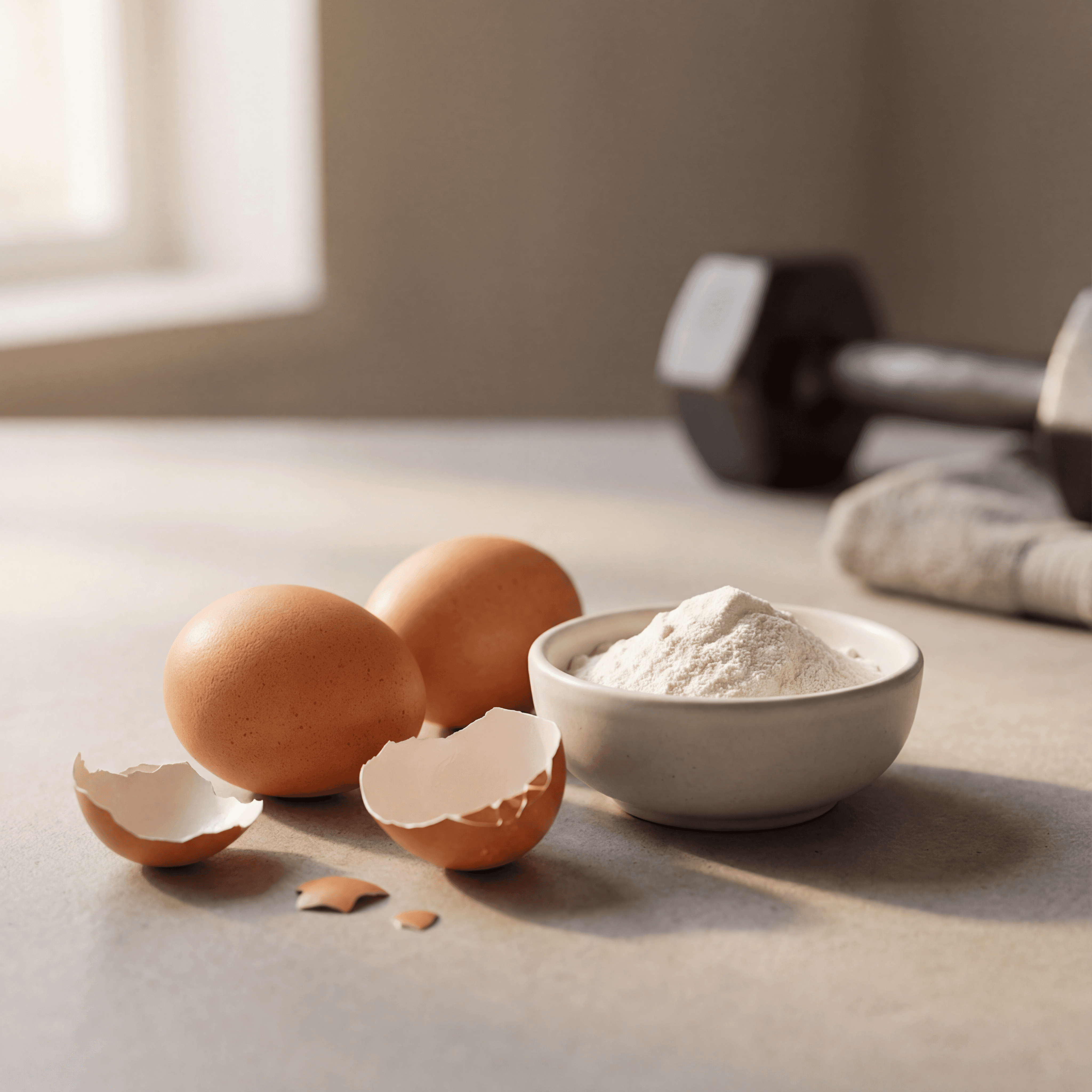
If you’re trying to build strength, stay lean, or simply hit your daily protein goal without overthinking it, protein powder can be a practical tool—when you choose the right kind. The image you see here highlights a simple, performance-focused idea: egg protein as “clean fuel” for strength. It’s not trendy hype. Egg protein has been used for decades because it’s complete, mixes well when formulated correctly, and fits a lot of different diets.
In this article, we’ll break down what egg protein is, why it works, who it’s best for, and how to use it in a way that actually supports your goals.
What Egg Protein Is (and why it’s different)
Egg protein powder is typically made from egg whites that are pasteurized and dried into a fine powder. That matters because egg whites provide high protein with minimal fat and carbohydrates, and they contain all essential amino acids—making egg protein a complete protein source.
How it compares to other popular proteins
Whey: Fast-digesting and popular, but dairy-based (some people don’t tolerate it well).
Casein: Slower-digesting dairy protein, often used at night.
Plant blends: Can be effective, but the amino acid profile varies and taste/texture can be hit-or-miss.
Egg protein: A strong middle ground—complete, generally easy to digest, and a good option if you prefer to avoid dairy.
Why Egg Protein Can Support Strength and Recovery
Strength training creates tiny muscle “micro-tears,” and your body rebuilds that tissue using amino acids from protein. That’s why consistent protein intake is such a big deal for people lifting weights, doing sports, or training hard.
Key advantages of egg protein
Complete amino acid profile: Helps support muscle repair and growth.
Lean and clean: Often lower in fat and sugar than many “mass gainer” style powders.
Dairy-free option: Useful for people who avoid lactose or prefer non-dairy protein.
Great daily consistency: Easy to use to hit a protein target without needing another full meal.
(Note: results depend on total diet, training plan, and consistency.)
Who Egg Protein Is Best For
Egg protein is a strong choice if you want:
A high-quality complete protein without relying on dairy
A shake that fits a clean nutrition routine
A protein option that works for strength training, sports, or active lifestyles
A simple way to boost protein at breakfast or as a midday snack
If you have an egg allergy, this obviously isn’t the right option. If you’re unsure, check with a professional.
Best Times to Take Egg Protein
There’s no “magic window,” but timing can make it easier to stay consistent.
Practical timing that works
After a workout: Helps you hit protein goals when you’re most focused on recovery.
Morning: Makes breakfast higher-protein and more filling.
Midday snack: Helps avoid the “crash” and reduces random snacking.
When you’re behind on protein: The most important factor is meeting your daily total.
How to Get a Smooth Mix (and avoid clumps)
Egg protein can mix well when blended properly. Here’s the simplest routine:
Add liquid first (water, milk, or a milk alternative)
Add your scoop of egg protein
Shake hard for 20–30 seconds or blend for 10–15 seconds
Let it sit 30–60 seconds, then shake again (this improves texture)
Taste upgrades that still stay “clean”
Cinnamon + vanilla
Cocoa powder
Banana or berries
Ice + blender = smoother and thicker
Simple High-Protein Recipes (fast and realistic)
1) Strength Shake (post-workout)
1 scoop egg protein
10–12 oz water or milk alternative
½ banana
Ice
Blend 15 seconds.
2) Protein Oats (breakfast)
Oats + hot water
Stir in ½ scoop egg protein after it cools slightly
Top with berries and a little honey
(Mixing after cooling helps prevent texture issues.)
3) Protein Pancakes (weekend prep)
Eggs (or egg whites) + oats + 1 scoop egg protein
Cook like pancakes
Great for meal prep and quick mornings.
What to Look For in a High-Quality Egg Protein
If you’re choosing an egg protein powder, look for:
Clear protein per serving (not hidden behind “proprietary blends”)
Minimal fillers and unnecessary sugars
Good mixability (fine powder texture, not gritty)
Taste you’ll actually use consistently
Consistency beats perfection. The best protein is the one you’ll take regularly.
Conclusion: Clean fuel you can actually stick with
If your goal is strength, performance, and a leaner routine, egg protein is one of the most straightforward options you can choose. It’s complete, practical, and easy to build into your day—especially if you want a clean protein source that isn’t dairy-based.
If you’re ready to simplify your routine: add egg protein to your post-workout shake or breakfast for the next two weeks and track how consistent you become with hitting your protein goal. That consistency is where results start.
Introduction
If you’re trying to build strength, stay lean, or simply hit your daily protein goal without overthinking it, protein powder can be a practical tool—when you choose the right kind. The image you see here highlights a simple, performance-focused idea: egg protein as “clean fuel” for strength. It’s not trendy hype. Egg protein has been used for decades because it’s complete, mixes well when formulated correctly, and fits a lot of different diets.
In this article, we’ll break down what egg protein is, why it works, who it’s best for, and how to use it in a way that actually supports your goals.
What Egg Protein Is (and why it’s different)
Egg protein powder is typically made from egg whites that are pasteurized and dried into a fine powder. That matters because egg whites provide high protein with minimal fat and carbohydrates, and they contain all essential amino acids—making egg protein a complete protein source.
How it compares to other popular proteins
Whey: Fast-digesting and popular, but dairy-based (some people don’t tolerate it well).
Casein: Slower-digesting dairy protein, often used at night.
Plant blends: Can be effective, but the amino acid profile varies and taste/texture can be hit-or-miss.
Egg protein: A strong middle ground—complete, generally easy to digest, and a good option if you prefer to avoid dairy.
Why Egg Protein Can Support Strength and Recovery
Strength training creates tiny muscle “micro-tears,” and your body rebuilds that tissue using amino acids from protein. That’s why consistent protein intake is such a big deal for people lifting weights, doing sports, or training hard.
Key advantages of egg protein
Complete amino acid profile: Helps support muscle repair and growth.
Lean and clean: Often lower in fat and sugar than many “mass gainer” style powders.
Dairy-free option: Useful for people who avoid lactose or prefer non-dairy protein.
Great daily consistency: Easy to use to hit a protein target without needing another full meal.
(Note: results depend on total diet, training plan, and consistency.)
Who Egg Protein Is Best For
Egg protein is a strong choice if you want:
A high-quality complete protein without relying on dairy
A shake that fits a clean nutrition routine
A protein option that works for strength training, sports, or active lifestyles
A simple way to boost protein at breakfast or as a midday snack
If you have an egg allergy, this obviously isn’t the right option. If you’re unsure, check with a professional.
Best Times to Take Egg Protein
There’s no “magic window,” but timing can make it easier to stay consistent.
Practical timing that works
After a workout: Helps you hit protein goals when you’re most focused on recovery.
Morning: Makes breakfast higher-protein and more filling.
Midday snack: Helps avoid the “crash” and reduces random snacking.
When you’re behind on protein: The most important factor is meeting your daily total.
How to Get a Smooth Mix (and avoid clumps)
Egg protein can mix well when blended properly. Here’s the simplest routine:
Add liquid first (water, milk, or a milk alternative)
Add your scoop of egg protein
Shake hard for 20–30 seconds or blend for 10–15 seconds
Let it sit 30–60 seconds, then shake again (this improves texture)
Taste upgrades that still stay “clean”
Cinnamon + vanilla
Cocoa powder
Banana or berries
Ice + blender = smoother and thicker
Simple High-Protein Recipes (fast and realistic)
1) Strength Shake (post-workout)
1 scoop egg protein
10–12 oz water or milk alternative
½ banana
Ice
Blend 15 seconds.
2) Protein Oats (breakfast)
Oats + hot water
Stir in ½ scoop egg protein after it cools slightly
Top with berries and a little honey
(Mixing after cooling helps prevent texture issues.)
3) Protein Pancakes (weekend prep)
Eggs (or egg whites) + oats + 1 scoop egg protein
Cook like pancakes
Great for meal prep and quick mornings.
What to Look For in a High-Quality Egg Protein
If you’re choosing an egg protein powder, look for:
Clear protein per serving (not hidden behind “proprietary blends”)
Minimal fillers and unnecessary sugars
Good mixability (fine powder texture, not gritty)
Taste you’ll actually use consistently
Consistency beats perfection. The best protein is the one you’ll take regularly.
Conclusion: Clean fuel you can actually stick with
If your goal is strength, performance, and a leaner routine, egg protein is one of the most straightforward options you can choose. It’s complete, practical, and easy to build into your day—especially if you want a clean protein source that isn’t dairy-based.
If you’re ready to simplify your routine: add egg protein to your post-workout shake or breakfast for the next two weeks and track how consistent you become with hitting your protein goal. That consistency is where results start.